Universal Roof Racks: Good Choice or Risk for Your Car?

Are universal roof racks any good?
Universal roof racks can be very good, but only when they’re matched to your vehicle and installed correctly. They’re designed to fit a wide range of cars, SUVs, and crossovers, which makes them convenient and often more affordable than vehicle-specific systems. The tradeoff is that “universal” doesn’t always mean “perfect,” so fit and stability depend heavily on your roof type and the rack’s clamp design.
When universal roof racks work well
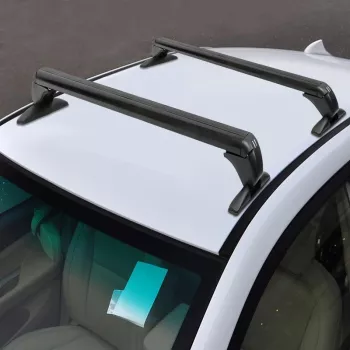
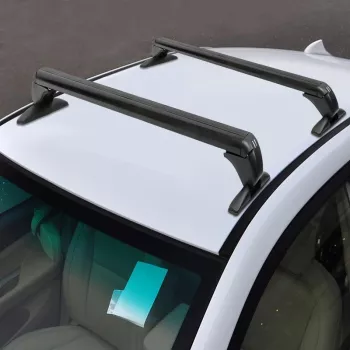
Universal racks tend to perform best on vehicles with raised side rails or factory roof rails, where the rack can clamp securely to an existing structure. For occasional use—like carrying a cargo basket, skis, or a couple of bikes—they’re often a practical choice. Many modern universal kits also include rubberized contact points and adjustable bars, which helps reduce slipping and protects paint.
Where they fall short
The biggest drawbacks are fit tolerance and noise. Because the same rack is trying to accommodate many roof shapes, it may not sit as cleanly as an exact-fit model, which can lead to wind whistling, minor shifting over time, or uneven bar spacing. On bare roofs without rails, clamp-on “universal” styles require extra care; incorrect positioning can dent sheet metal, damage trim, or compromise safety at highway speeds.
How to judge if a universal rack is “good” for your car
Start with load rating (dynamic, not just static) and confirm it matches your intended gear plus the rack itself. Check compatibility with your roof type (raised rails, flush rails, fixed points, or bare roof) and look for locks, metal reinforcements, and clear torque/fit instructions. A good universal rack should stay tight after a short test drive and re-check, with no visible flexing or clamp creep.
For a deeper look at pros, cons, and fit tips, see the full guide here: https://aceitemsbazaar.shop/are-universal-roof-racks-any-good/.
FAQ
What is the difference between universal and vehicle-specific roof racks?
Universal racks use adjustable clamps to fit multiple vehicles, while vehicle-specific racks are engineered for one roof design and typically fit more precisely. Vehicle-specific options often install faster and may be quieter and more stable.










Leave a comment