1-Week or 1-Month Healthy Meal Plan With Easy Recipes
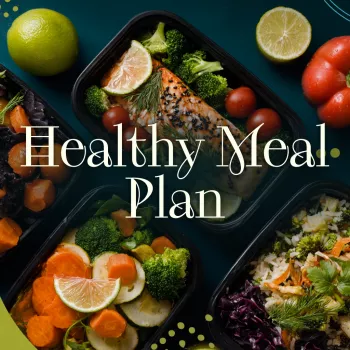
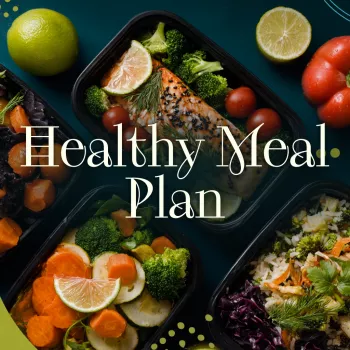
Healthy Meal Plan & Recipe Collection for a Full Week or Month
A structured meal plan removes daily decision fatigue while keeping breakfast, lunch, dinner, and snacks aligned with balanced nutrition. This guide breaks down how to use a one-week plan for a quick reset or scale it into a one-month routine with flexible swaps, simple prep habits, and practical shopping strategies.
What “balanced” looks like on a real schedule
Balanced eating works best when it’s built around repeatable patterns rather than perfect meals. A simple rhythm makes planning faster and helps you stay consistent when life gets busy.
- Use a reliable formula: protein + fiber-rich carbs + colorful produce + healthy fats (for satisfaction and steadier energy).
- Rotate variety across the week: switch proteins (beans, poultry, fish, tofu, eggs), grains (oats, rice, quinoa, whole-wheat), and vegetables (leafy greens, crucifers, roots).
- Make snacks “nutrient insurance”: pair protein with fruit/veg or a whole grain instead of grazing on refined carbs alone.
- Mind hydration and sodium: water and unsweetened tea help; sauces and condiments can quietly push sodium higher over a month.
For a helpful visual framework, compare your plate to USDA MyPlate or the Harvard Healthy Eating Plate and adapt it to your preferences and schedule.
One-week vs one-month planning: how to choose the right starting point
The best plan is the one you’ll actually follow. Choosing the right time horizon can make the difference between “organized” and “overwhelmed.”
- One-week plan: ideal for learning portion patterns, testing recipes, and keeping a tight shopping list that reduces waste.
- One-month plan: best for building a repeatable routine; “theme nights” (taco bowls, stir-fry, soup night) keep it predictable without getting boring.
- Hybrid method: plan 7 days, then repeat weekly with 2–3 swaps (different fruit, different protein, different veggie mix).
- Realistic cooking cadence: 2–3 cook sessions per week is often easier than cooking nightly.
Quick comparison: week vs month meal planning
| Plan length | Best for | Prep approach | Common pitfall | Simple fix |
|---|---|---|---|---|
| 1 week | Trying new routines and reducing takeout | One main prep day + 1 mini-prep | Too many new recipes at once | Repeat breakfast/snacks; vary dinners |
| 1 month | Long-term consistency and budgeting | Weekly template with rotating options | Menu fatigue | Swap a protein/veg weekly; keep sauces different |
| Hybrid | Flexibility with structure | Repeat core meals + planned substitutions | Overbuying ingredients | Shop by recipe count, not aspirational variety |
A practical daily structure (breakfast, lunch, dinner, snacks)
A daily structure keeps meals balanced without requiring complicated rules. The easiest approach is to rotate a few “anchors” and give yourself options within each meal.
Breakfast rotations
- Overnight oats with chia (add berries and a spoon of nut butter)
- Greek yogurt bowl with fruit and nuts/seeds
- Veggie omelet with whole-grain toast
- Smoothie with protein + spinach + frozen fruit
Lunch strategies that don’t create extra work
- Buildable bowls: grain + protein + veg + sauce (repeat the base, change the flavor).
- Big salads: greens + beans/chicken + crunchy veg + olive oil–based dressing.
- Planned leftovers: cook dinner with “tomorrow’s lunch” in mind to cut cooking time.
Dinner framework
- Choose one protein, two vegetables, and one carbohydrate.
- Swap flavor profiles using spice blends and sauces (Mediterranean, teriyaki, taco, herb-lemon).
Snacks (and dessert-minded swaps)
- Apple + nut butter
- Hummus + carrots
- Cottage cheese + pineapple
- Roasted chickpeas or portioned trail mix
- Fruit + a square of dark chocolate, yogurt + cinnamon, or chia pudding
Smart prep: batch cooking without eating the same thing every day
Batch cooking doesn’t have to mean repeating the same bowl five times. The goal is to prep “building blocks” that remix easily.
- Cook once, remix twice: roast a sheet pan of vegetables, cook a pot of grain, and prep one protein for bowls, salads, and wraps.
- Sauce strategy: keep 2–3 sauces/dressings (tahini-lemon, salsa-yogurt, peanut-lime) to change the whole meal without extra cooking.
- Freezer-friendly wins: soups, chili, turkey/veggie meatballs, marinated raw chicken portions, and smoothie packs.
- Time-saving tools: slow cooker/pressure cooker for hands-off meals; a food scale or portion containers if macro tracking matters.
- Food safety basics: cool cooked foods promptly, store in shallow containers, and label with dates.
Grocery planning that supports the plan (and the budget)
A meal plan succeeds or fails at the grocery store. Keep the list simple, repeatable, and focused on versatile ingredients.
For grab-and-go snacks and prepped fruit that stays tidy in the fridge, the Multifunctional Fruit Box With Hinged Cover helps portion and protect produce so it’s easier to actually eat what you buy.
Keeping balanced nutrition flexible for different needs
For more guidance on building a healthier pattern over time, the CDC’s healthy eating resources offer practical, goal-oriented recommendations.
Meal plan eBook: what’s included and how to use it week-to-month
If you want a ready-to-follow structure (instead of reinventing meals every week), the Healthy Meal Plan & Recipe Collection eBook is designed to cover breakfast, lunch, dinner, and snacks in a way that works as a one-week reset or a repeatable one-month routine.
FAQ
Is a one-week meal plan enough to see benefits?
Yes—one week is often enough to notice better consistency, fewer impulsive meals, and a smoother grocery routine. Bigger changes usually come from repeating the structure for several weeks and adjusting based on what feels sustainable.
How can the recipes be adjusted for weight loss or muscle gain?
Keep protein steady, then adjust portions of calorie-dense fats and carbs up or down based on your goal. Add extra vegetables for volume during weight loss, or add an additional carb snack/side for muscle gain and training support.
What if there isn’t time to cook every day?
Plan for 2–3 cook sessions per week, repeat breakfasts, and rely on leftovers for lunch. Use quick staples like frozen vegetables, canned beans, rotisserie chicken, and microwave grains to stay on track with minimal daily cooking.









Leave a comment